How to Choose a Hospital CT Scanner in 2026
By Fatali med
January 13th, 2026
4797 views
if you're in the market for a new CT scanner for your hospital this year, you're probably feeling a mix of excitement and a bit of overwhelm. With tech evolving so fast, 2026 is shaping up to be a big year for radiology—think smarter AI integrations, lower radiation doses, and even more sustainable designs. We've been following these trends closely (as a supplier of imaging equipment for many years), and we'll break it down for you step by step.
How to Choose a Hospital CT Scanner in 2026
Hey there, if you're in the market for a new CT scanner for your hospital this year, you're probably feeling a mix of excitement and a bit of overwhelm. With tech evolving so fast, 2026 is shaping up to be a big year for radiology—think smarter AI integrations, lower radiation doses, and even more sustainable designs. We've been following these trends closely (as a supplier of imaging equipment for many years), and we'll break it down for you step by step.
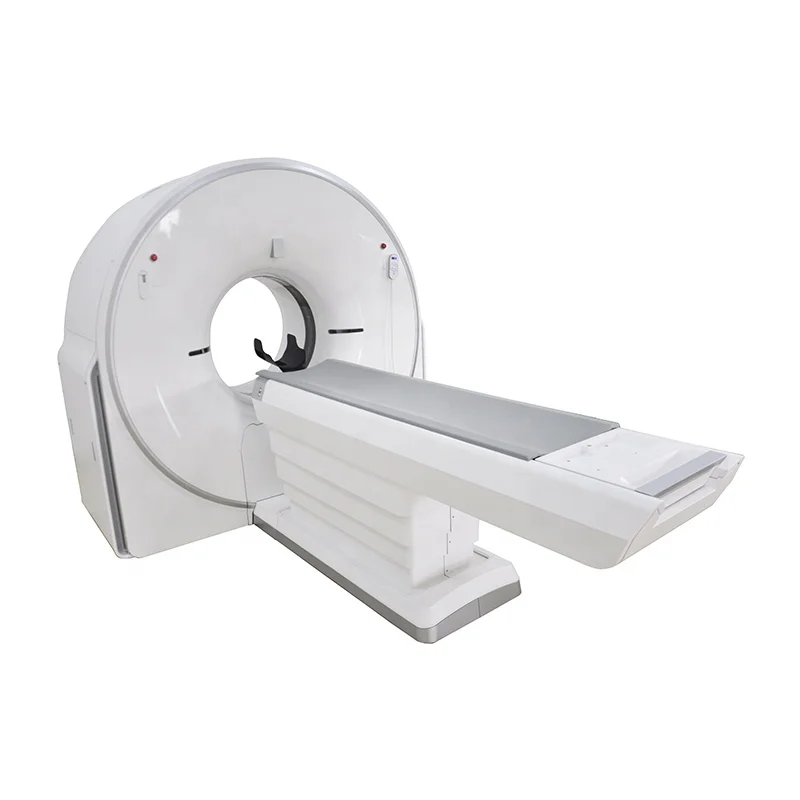
Step 1: Figure Out What You Really Need
First off, think about your hospital's daily grind. How many scans do you do? What's your patient mix—mostly emergencies, oncology, or general check-ups? In 2026, CT scanners come in all flavors, from basic 16-slice models for routine stuff to high-end 128+ slice beasts for cardiac or research work.
Entry-Level (16-32 Slice): Great if you're on a budget or in a smaller facility. They handle everyday scans like chest or abdomen without breaking the bank. Expect prices around $90,000-$200,000.
Mid-Range (64 Slice): The sweet spot for most hospitals. Super for heart imaging and trauma cases, with faster scans to keep lines moving. Cost: $200,000-$400,000.
Premium (128+ Slice or Photon-Counting): If you want the latest buzz, go for photon-counting CTs—they're popping up everywhere this year, offering crystal-clear images with way less radiation. Perfect for pediatrics or repeat patients. These can run $500,000+ but save on long-term costs.
Pro tip: Don't overbuy. A fancy 128-slice might sound cool, but if your volume is low, a solid 64-slice will do the job without the extra hassle.
Step 2: Focus on the Tech That Matters in 2026
Tech isn't just bells and whistles anymore—it's about real results. This year, everyone's talking AI and sustainability.
AI Integration: Look for scanners with built-in AI for faster processing and fewer rescans. It can spot issues like lung nodules early, cutting down on errors. In my experience, this shaves hours off radiologists' days.
Low-Dose Radiation: With rising awareness, choose models that minimize exposure—photon-counting tech is leading here, reducing doses by up to 40% without losing quality.
Sustainability: Helium-free magnets (for MRI hybrids) and energy-efficient designs are hot. Hospitals are going green, so pick one that aligns with eco-goals to future-proof your setup.
Also, check workflow features like easy integration with your PACS system. No one wants a scanner that's a pain to use daily.
Step 3: Crunch the Numbers – Budget and Total Cost
Budget's always the elephant in the room. CT scanners aren't cheap, but think beyond the sticker price.
Upfront Cost: Entry models start at $100K, but factor in installation ($10K-$15K) and shielding for radiation safety.
Ongoing Expenses: Maintenance, parts, and energy can add 10-15% annually. Go for vendors with strong warranties—lifetime ones are a game-changer.
ROI Angle: A good scanner pays off with more scans per day and fewer breakdowns. In 2026, with rising demand for imaging (up 6-7% yearly), it'll earn its keep fast.
Chat with suppliers about bundles. At Fatali-Med, we've helped hospitals save big with our factory-direct pricing—no middlemen markups.We also can send specialists to assist with the construction of the shielded room, including settlement and the installation of all machinery.
Step 4: Don't Forget Installation and Support
Picking the machine is half the battle—getting it up and running is the other. In 2026, supply chains are smoother, but plan ahead.
Space and Setup: Need a room about 20x24 ft with reinforced floors (scanners weigh tons) and proper shielding. Electrical: 208-480V, 50-150 kVA.
Vendor Support: Choose one with global training and quick parts delivery. We've seen hospitals regret skimping here-downtime kills efficiency.
Wrapping It Up: Make the Smart Choice in 2026
Choosing a CT scanner boils down to your needs, the latest tech like AI and low-dose imaging, and a reliable partner. Don't rush—talk to experts and get quotes. At Fatali-Med, with our 23+ years of experience, we offer CE-certified scanners tailored for hospitals like yours, at competitive prices with lifetime support.
Ready to chat? Drop us a line at WhatsApp for a free personalized quote. Let's get your hospital scanning smarter this year!

Previous
CT Scanner Installation Requirements: A Comprehensive Guide
Read More
Next
Fixed X Ray Machine Technical Parameters Explained
Read More


