The cost difference between X-ray machines with Digital Radiography (DR) and those without is significant. This gap often puzzles healthcare professionals and facility administrators. Understanding this difference is crucial for making informed purchasing decisions.
DR X-ray machines are known for their advanced technology. They offer faster image processing and superior image quality. These benefits come with a higher price tag compared to traditional systems.
However, the initial investment in DR technology can lead to long-term savings. Reduced film costs and improved workflow efficiency are key advantages. These factors can offset the higher upfront costs over time.
Choosing the right X-ray machine impacts patient care and facility operations. It's essential to weigh the benefits against the costs. This article will explore the reasons behind the cost difference and help guide your decision.
X-ray machines come in two main types: Digital Radiography (DR) and traditional systems. Both serve the same purpose but use different technologies. It's crucial to understand these differences to appreciate the cost variations.
Traditional X-ray Systems Traditional X-ray machines rely on film-based technology. They use physical films to capture and develop images. This process is time-consuming and requires extra resources.
Digital Radiography (DR) Systems DR systems capture images digitally, allowing for immediate processing. They eliminate the need for physical film, reducing development time. This technology supports quick image transfer and storage.
Key differences include:
Digital systems also integrate seamlessly with electronic health records. This capability enhances patient care and boosts operational efficiency. Understanding these technological differences is essential for choosing the right system for your healthcare facility.
The price of X-ray machines varies due to several factors. Understanding these can help you make informed decisions when purchasing or upgrading equipment.
Technology and Features Advanced technology typically costs more. DR systems offer better image resolution and quick processing, justifying their higher price.
Brand and Model The brand and model significantly affect the cost. Premium brands often charge more due to their reputation
for quality and reliability.
Customization and Options Optional features can increase costs. Systems with customizable options might be pricier than standard ones.
Factors affecting
Market Demand and Supply Fluctuations in market demand can drive prices up or down. As DR systems grow more popular, their prices might reduce over time.
Regulatory Compliance Compliance with regulations can add to the cost. Machines meeting specific standards may be more expensive.
Considering these factors, healthcare facilities should evaluate their needs. Aligning budget with requirements ensures effective investment in X-ray technology.
Investing in an X-ray machine involves significant initial outlays. DR systems are more expensive upfront compared to traditional machines. However, their long-term benefits can offset the initial costs.
DR technology offers substantial savings over time. Traditional machines require film, leading to ongoing expenses for film and chemicals. DR machines eliminate these costs entirely, favoring digital storage instead.
The financial advantages of DR systems extend beyond materials:
Moreover, DR machines improve workflow efficiency, leading to increased patient throughput. This improvement enhances revenue over time as more patients can be seen and diagnosed swiftly.
While the initial investment in DR systems may appear high, the overall savings and operational efficiency often make it a worthwhile choice. Evaluating both short and long-term financial implications helps facilities make better-informed purchasing decisions.
DR technology significantly enhances workflow efficiency in medical settings. It facilitates quicker image acquisition and processing. This leads to faster diagnostics and care decision-making for patients.
The impact on patient care cannot be overstated. Shorter wait times result in higher patient satisfaction levels. DR
machines also reduce exposure to radiation, improving patient safety.
Advantages of DR technology include:
Efficient workflows mean healthcare providers can see more patients daily. This boosts facility productivity without sacrificing the quality of care.
Overall, adopting DR systems translates into more precise diagnostics and timely treatments. Hospitals and clinics looking to elevate patient care standards find DR technology a valuable asset. The increased efficiency gained with DR systems is both a practical and strategic advantage.
Maintenance and operational costs for DR X-ray machines are often lower than for traditional units. DR systems have fewer moving parts, which reduces wear and tear. This translates into less frequent repairs and lower upkeep expenses.
Upgrading traditional X-ray machines to incorporate DR technology involves significant cost, but it can be worthwhile. The longevity and advanced features of DR systems often justify the initial expenditure. Many facilities find that the improvements in productivity and care efficiency make this investment beneficial.
When considering operational expenses, remember the following:
These benefits collectively contribute to reduced operational overheads. Over time, the savings and efficiencies can justify the shift to DR technology. Implementing DR solutions reflects a commitment to cost-effective, high-quality care provision.
Embracing DR technology often involves a learning curve for staff. Proper training is essential to harness the full potential of these machines. This ensures that the transition is seamless and productive.
Integration with existing systems can also present challenges. However, DR systems facilitate smoother communication with Electronic Health Records (EHR). This advantage enhances interoperability and data management.
Resale value is another benefit of DR machines. These systems typically maintain a higher resale value compared to traditional
ones. This can provide financial flexibility for facilities seeking future upgrades.
Key considerations include:
These factors play crucial roles in decision-making for healthcare providers exploring DR technology.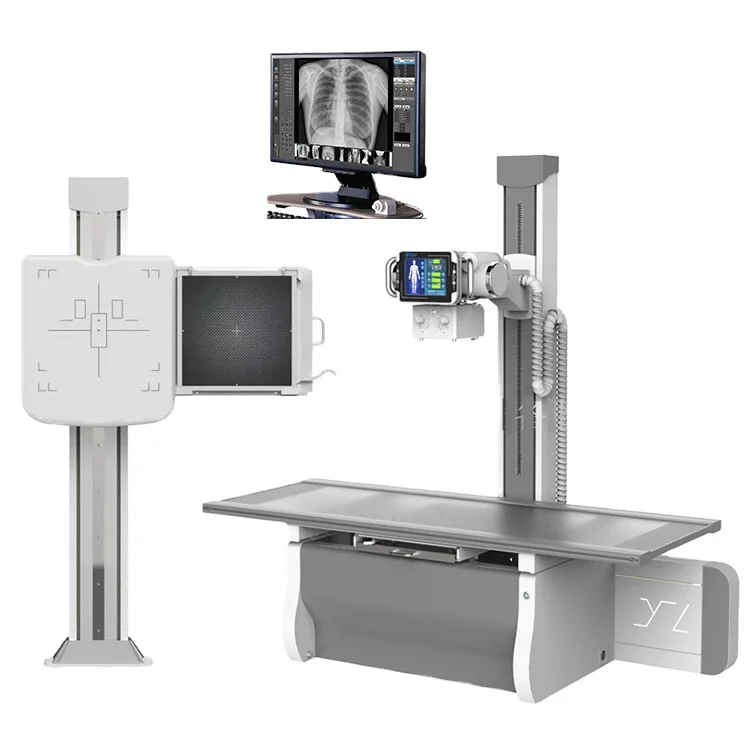
Choosing the right X-ray machine involves assessing multiple factors. Each facility has its own unique needs and budget constraints to consider carefully. Balancing cost with functionality is key to making an informed decision.
Facilities must evaluate their long-term goals when selecting between DR and traditional X-ray systems. Opting for DR might involve a larger upfront cost, but it can offer savings over time. This investment often pays off with improved efficiency and patient care.
A careful analysis of available options ensures that the chosen system aligns with a facility's objectives. Decision-makers should consider:
Ultimately, the decision should reflect the facility's priorities and future plans for growth.
👉Explore our range of DR x ray devices today at Fatali-Med.


