Pregnancy scanning is one of the most important daily tasks for veterinarians and farm operators. But even experienced users can make mistakes—especially when using budget handheld devices, scanning in outdoor farm environments, or working with restless animals.
Here are the five most common mistakes made during animal pregnancy scanning—and how to avoid them using better technique, better timing, and more reliable equipment.
One of the biggest issues is choosing the wrong scanning window.
Too early: The embryo may not be visible yet
Too late: Fluid sacs change shape and can be misinterpreted
Recommended windows:
Cattle: 28–35 days
Sheep/goats: 25–30 days
Pigs: 21–28 days
Dogs/cats: 25–35 days
How to avoid it:
Always follow species-specific scanning timelines and use an animal pregnancy scanner with high penetration depth for early-stage imaging.
Incorrect probe angle or location often leads to false “not pregnant” results.
Common issues include:
Scanning too high
Keeping the probe too superficial
Not tilting to follow the uterine horns
Moving too fast, missing the gestational sac
How to fix it:
Use slow, systematic scanning patterns—especially with large-animal ultrasound machines.
Portable models with wide probe frequencies make positioning easier.
Beginners sometimes confuse:
Urinary bladder
Intestinal loops
Fluid pockets
Post-estrus uterine fluid
Avoid this mistake by:
Checking for embryonic structures, not just fluid
Using higher-resolution color ultrasound if available
Rotating the probe to confirm continuity
Using a scanner with clear grayscale contrast is essential to avoid false interpretations.
Farm scanning often happens in:
Harsh sunlight
High humidity
Dusty barns
High-temperature environments
These conditions affect:
Screen visibility
Battery performance
Probe temperature
Image stability
How to avoid it:
Choose devices built for field use, with:
Sunlight-readable LED display
Long battery life
High-temperature–resistant probe design
Wireless/waterproof options for safer farm operation
Not all scanners fit every job:
Small animals: Need higher frequency and clearer detail
Large animals: Need deeper penetration
Farm reproductive management: Requires portable or wireless models
Clinical settings: Trolley Doppler systems are better
Using the wrong type leads to inconsistent or unclear results.
Fix:
Match the scanner to the application.
If you scan many species, consider a multi-probe system or adjustable-frequency device.
Fatali-Med offers a full range of animal pregnancy scanners and veterinary ultrasound systems designed specifically for:
Cattle, sheep, goats, pigs, horses
Farm reproductive management
Small-animal clinics
Mobile veterinary practice
Advantages include:
High-contrast imaging for early pregnancy
Portable/wireless models ideal for farms
Reliable performance in hot climates
Long-life batteries for long scanning days
Color Doppler options for advanced diagnosis
Comfortable grip and lightweight design
These features help vets avoid the common scanning mistakes listed above and achieve more accurate, faster, and stress-free pregnancy checks.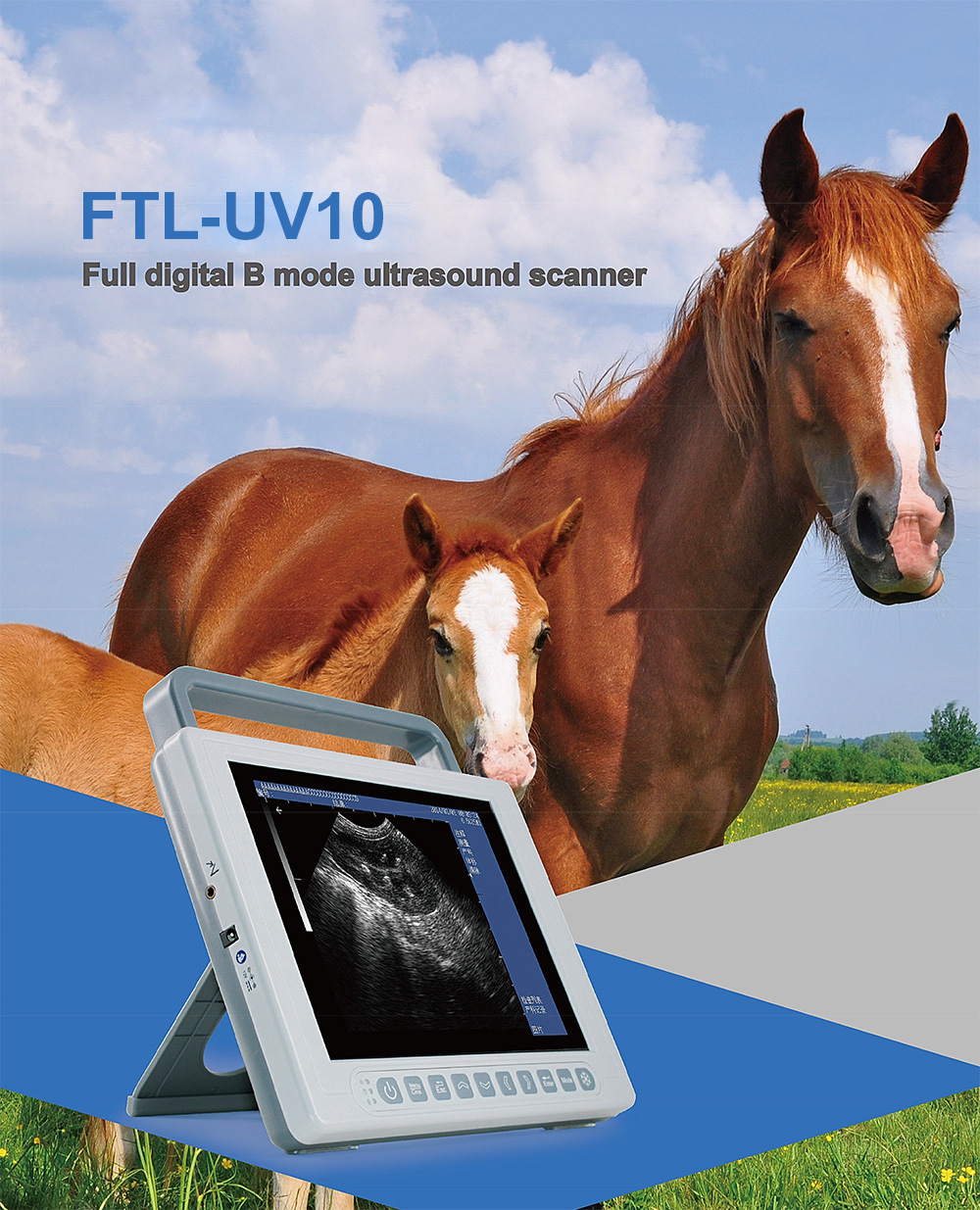
Ready to improve your pregnancy scanning accuracy?
👉 Explore our full range of animal pregnancy scanners and veterinary ultrasound machines at Fatali-Med.
Our team can recommend the best model for your animals, farm conditions, and diagnostic needs.
Contact us for a quote or free consultation today.